Title
Description of package
Description of package
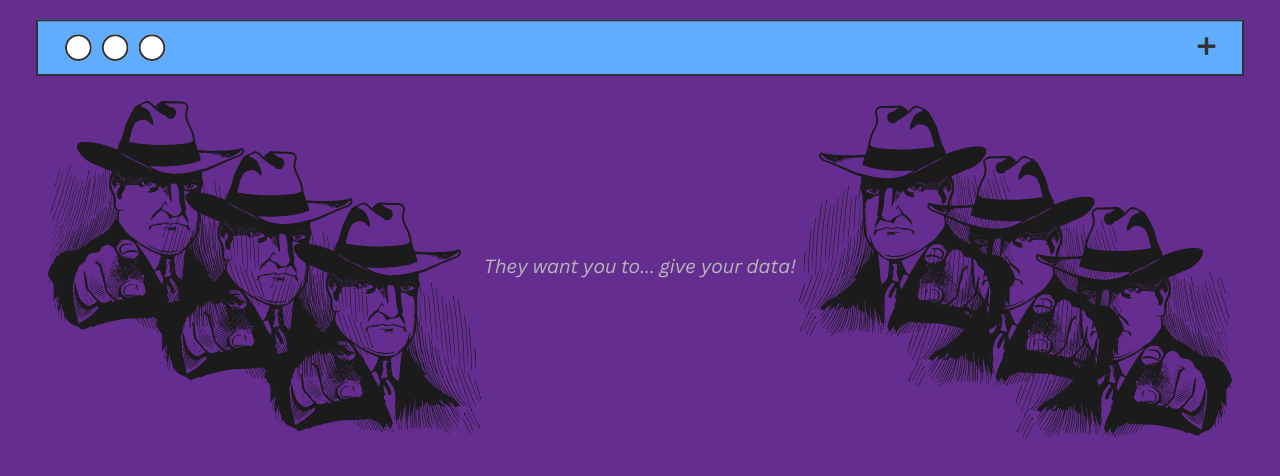
On May 6, 2024, we were informed about the partnership between two tech companies: ‘Stack Overflow and OpenAI.’. This partnership, aimed at harnessing user-generated data from Stack Overflow to bolster AI development, sparked once again an important conversation about digital rights and the dependency on closed platforms that use users crowdsourced data from netizens.
Since its inception in 2008, Stack Overflow has emerged as the go-to platform for programmers and developers seeking solutions to their coding questions. With its unique question-and-answer format and emphasis on collaboration, it is fair to say that it has revolutionized the way developers learn, troubleshoot, and share knowledge with each other.
OpenAI, founded in 2015, with the goal of creating advanced technologies that (alegedly) benefit society. The company claims that it has consistently pushed the boundaries of artificial intelligence, shaping the future of tech. Another tech giant claiming to make the world a better place…
The announcement of the partnership between Stack Overflow and OpenAI sparked both excitement (to folks that don’t care about their digital rights) and apprehension within netizens (like ourselves) that don’t trust OpenAI and similar big tech corporations. While the prospect of leveraging user-generated data for AI development holds promise, it also raises many concerns about data privacy, ownership, and consent. Discussions on Mastodon shed light on these concerns, with users expressing their frustration about the (potential?) exploitation of their contributions for commercial gain.
There are many other users also ‘deleting their accounts’ as a sign of protest and unwillingness to allow their contributions to be used without permission.
Another Mastodon user shared more details on Mastodon, expressing frustration over the perceived lack of control over personal contributions to Stack Overflow. This sentiment echoes a broader opinion among users who feel that their digital footprints are being commodified without their explicit consent.
The Stack Overflow-OpenAI partnership serves as a microcosm of the larger dilemma facing all of us in our digital interactions: the tension between convenience and control. While proprietary platforms offer convenience and functionality, they often come at the cost of relinquishing control over personal data and our contribution to platforms like Stack Overflow. The reluctance to migrate to open-source alternatives underscores the challenges inherent in breaking free from the grip of tech giants.
As proponents of digital autonomy and user empowerment, we recognize the importance of providing viable alternatives to proprietary platforms. Whether it’s migrating to decentralized platforms like PeerTube or embracing community-driven forums like Discourse, the power lies in offering users choices that prioritize privacy, transparency, and community ownership. By focusing on open-source solutions and developing a culture of digital sovereignty, we can collectively shape a future where technology serves humanity’s best interests, not corporate agendas.
Our approach can’t be better reflected than ‘@lindworm@chaos.social’ when (tech you are using) it’s free, you are the product.

Daily operations by day - part time vinyl records collector by night.