A week ago might feel like ancient history in internet time, where news cycles move faster than we can keep up. But on October 20, 2025, something happened that we believe deserves more attention, not because it was novel or unexpected, but precisely because it wasn’t. What occurred that day affects most people and teams that rely on the internet for their daily operations, which means pretty much all of us.
What Actually Happened?
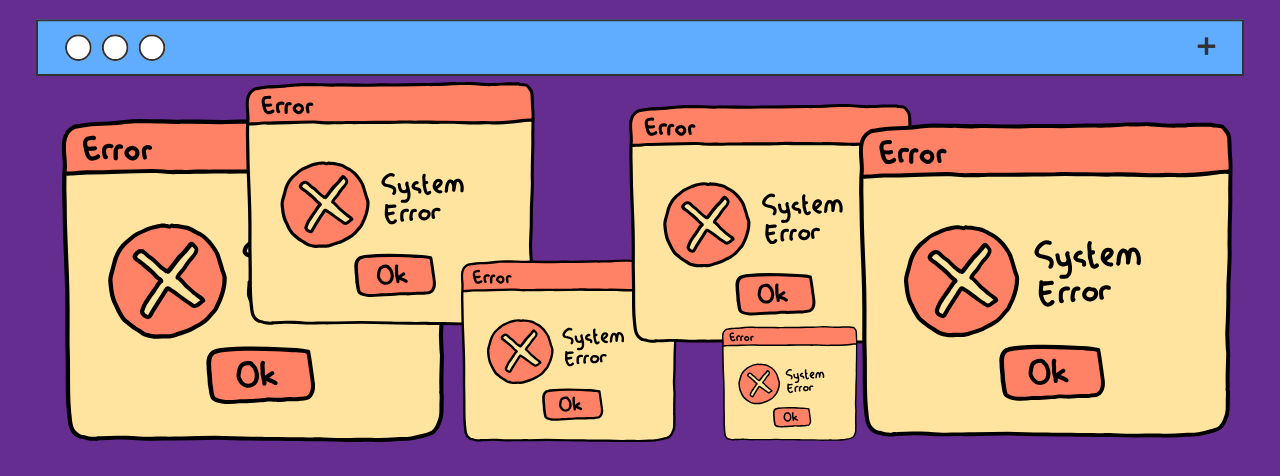
Early that Monday morning, Amazon Web Services experienced a massive outage that brought down a significant chunk of the internet as we know it. The reason? A Domain Name System (DNS) error at their Northern Virginia data center. For those unfamiliar with DNS, think of it as the internet’s address book. When DNS stops working, websites simply cannot be found, even though they technically still exist somewhere in the digital ether.
The impact was staggering with over 1,000 businesses affected, with services ranging from social media platforms like Snapchat and Reddit to banking apps like Lloyds and Halifax, from games like Roblox and Fortnite to essential services that people depend on every single day. There are suggestions that Downdetector received over 6.5 million reports about issues across multiple platforms. For several hours, millions of people all over the globe couldn’t access their money, communicate with colleagues, or even turn on their smart home lights. All because of one technical glitch in one location.
Why This Matters to Small and Medium Teams
If you’re running a small or medium-sized team, you might be thinking “Well, we’re not using AWS, so this doesn’t really affect us.” Truth is it absolutely does, whether you are aware of it or not. AWS, along with Microsoft Azure and Google Cloud Platform, powers roughly 37% of the entire internet’s infrastructure. This means that even if you’re not their direct customer, chances are high that services you depend on are built on top of their infrastructure. When AWS goes down, it’s not just Amazon’s problem. It’s (almost) everyone’s problem. Your team’s productivity tools, communication platforms, file storage, project management software, and countless other services likely rely on this centralized infrastructure. And when it fails, there’s nothing you can do but wait and hope it gets fixed quickly. There will probably be no customer support to call and no answers from opened tickets
The Internet Wasn’t Supposed to Work This Way

(Image source: en.wikipedia.org, license: CC BY 2.5)
It is true, the internet was originally designed to be decentralized. The whole point was to create a network that could route around damage, where no single point of failure could bring down the entire system. It was built on principles of resilience and distribution, where information could find multiple paths from source to destination. Somewhere along the way, we traded that resilience for convenience. We allowed a handful of companies to become the backbone of our digital infrastructure, creating exactly the kind of centralized control points that the internet’s pioneers tried to avoid. When AWS’s Northern Virginia data center has a problem, it’s not just regional anymore. It becomes a global crisis.
Moving Away from Big Tech Monopolies
Given the impact of these outages and our collective lack of control over the infrastructure we depend on, we believe it’s time to seriously reconsider our relationship with big tech corporations, regardless of where they’re based or how they operate. Or even Rise Against Big Tech. The October 20 outage wasn’t a wake-up call because it was unexpected, it was a wake-up call because it was entirely predictable and will most likely happen again. There’s now concrete proof that relying on centralized services carries significant risk.
What Are the Options?
So what can you actually do about this? The good news is that you have more options than you might think, and each comes with its own trade-offs.
The ideal scenario, if you have the technical capacity and resources, is to self-host open source software. This gives you maximum control over your infrastructure and your data. When something goes wrong, you can fix it. When you need to make changes, you don’t need to wait for a support ticket or hope that a feature makes it onto someone else’s roadmap. With self-hosting you have much more control, you make your own decisions, and know exactly what went into the final ‘product’. But it also comes with a learning curve, requires consistent time investment, and means you’re responsible when things go wrong at 3 AM.
The middle ground, which is where we believe many small and medium teams find their sweet spot, is choosing a reliable managed hosting provider that specializes in open source software. These are providers that share a certain list of values around data privacy, software freedom, and putting users before shareholders. To be transparent, yes, we are one of these providers, so we’re obviously biased. But this isn’t really about choosing us specifically. The ecosystem of value-aligned hosting providers is diverse and growing. There are cooperatives, small companies, and collectives located all around the world, each with different approach, different setups, and different geographic locations. Some focus on specific software platforms, others on particular industries or communities. The important thing is finding one whose values align with yours and who can help you migrate away from big tech infrastructure with proper support and guidance.
In terms of analogies, think of it this way: big tech corporations are like massive supermarket chains. They prioritize shareholder value above all else, including people needs, environmental impact, and workers’ rights. Everything is optimized for scale and profit. Value-aligned managed hosting providers like ourselves are more like your neighborhood convenience store. We don’t have shareholders demanding quarterly growth, we have actual humans providing support instead of automated systems and chatbots, and we build relationships with our people we provide services to rather than treating them as metrics on a dashboard. Self-hosting, on the other hand, is like tending your own garden. You get the deep satisfaction of complete control and knowing exactly what’s happening with your infrastructure, but it requires commitment, patience, and the willingness to learn as you go.
All three options can be legitimate depending on your specific use case, technical capacity, and organizational priorities. A well-resourced tech company might thrive with self-hosting. A small nonprofit might find the perfect fit with a values-aligned managed provider. Even big tech might make sense for a limited time for certain organizations in certain very specific contexts such as high cost of immediate migration. The critical thing is that you make this choice consciously, understanding the full implications of each option. What are the risks? Where does your data actually live? Who has access to it? What happens when something goes wrong? Can you get your data out if you need to leave? What values does your provider operate under? These are practical considerations with real consequences that we’ve now seen play out on a massive scale. When you entrust your team’s data and infrastructure to a provider, you’re not just buying a service. You’re entering into a relationship that affects your organization’s resilience, privacy, and ability to function day to day. Understanding what you’re getting into, what control you’re giving up, and what risks you’re accepting is essential for making good decisions.
For all these reasons, we hope you’ll choose options that respect your data and prioritize you and your team over shareholder profits. The recent Big Tech incident was a reminder that the internet’s current architecture is fragile precisely because it’s now almost fully centralized. We can’t prevent big tech companies from having outages, but we can choose to reduce our dependence on them. We can choose infrastructure that puts control back in our hands, that respects our data, and that operates according to values we can actually support.
The internet wasn’t meant to be this centralized. And it doesn’t have to stay this way.
—
Have questions about moving away from big tech infra? Want to understand your options better? Get in touch for a quick chat about what might work best for your small/medium team. You can even get free trainings from the people behind the Rise Against Big Tech campaign, where we also contribute.